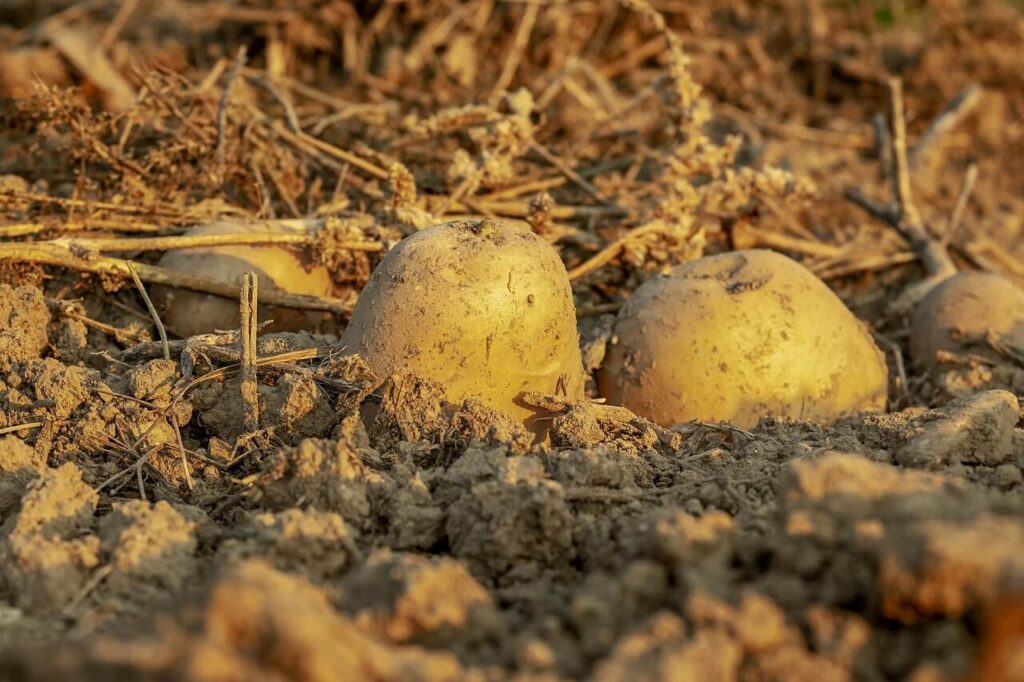
Climate change is reshaping global agriculture — and potatoes, the world’s third most important food crop, are no exception. Rising temperatures, shifting rainfall patterns, and the spread of pests and diseases present serious challenges to both potato growers and exporters.
But alongside risks, there are also opportunities: new potato varieties, improved irrigation systems, and integrated pest management strategies are helping farmers adapt. In this article, we explore how climate change impacts potato growth and what solutions are emerging worldwide.
1. Rising Temperatures and Heat Stress
- Potatoes are a cool-season crop, performing best between 15–20°C.
- Higher temperatures (above 25°C) reduce tuber initiation and lead to smaller yields.
- Heat stress also increases respiration, reducing starch accumulation in tubers.
👉 Adaptation strategies:
- Breeding heat-tolerant varieties (e.g., CIP’s “Unica” in South America).
- Adjusting planting schedules to cooler periods.
- Exploring higher-altitude cultivation zones.
2. Changing Rainfall and Water Availability
- Irregular rainfall leads to droughts in some regions and flooding in others.
- Both extremes harm potato crops: drought limits tuber bulking, while excess water promotes rot.
👉 Adaptation strategies:
- Drip irrigation for efficient water use.
- Rainwater harvesting systems for smallholder farmers.
- Breeding drought-tolerant potato varieties.
3. Increased Disease and Pest Pressure
Warmer and wetter conditions favor the spread of pathogens:
- Late blight thrives in humid, warm climates, causing devastating losses.
- Bacterial wilt is expanding its range into new regions.
- Aphid populations, carriers of PVY and PLRV, are growing faster with mild winters.
👉 Adaptation strategies:
- Use of resistant potato varieties (e.g., Alouette, Sarpo Mira).
- Stronger Integrated Pest Management (IPM) systems.
- Forecasting tools based on weather models to optimize fungicide use.
4. Impact on Global Potato Trade
- Exporters face stricter phytosanitary regulations as pests and diseases spread to new regions.
- Quality issues (smaller tubers, storage losses) threaten supply chains.
- Demand is shifting toward resilient, climate-smart potato varieties.
📈 Example: Northern Europe is already trialing drought-resistant potatoes to secure export potential in a changing climate.
5. The Role of Breeding and Research
- Institutions like the International Potato Center (CIP) are leading efforts to breed climate-resilient potatoes.
- Goals include:
- Heat and drought tolerance.
- Late blight resistance.
- Improved nutrient efficiency.
💡 Innovation trend: Hybrid potato breeding (true potato seed instead of tubers) may make global seed distribution more climate-proof.
6. Opportunities for Growers and Exporters
- Diversification: Growing multiple varieties reduces risk.
- Sustainability labels: Climate-smart practices increase market access.
- New markets: Export demand for resistant and organic varieties is rising.
✅ Conclusion
Climate change poses a real threat to potato production, but it also drives innovation. By adopting resistant varieties, smart irrigation, and sustainable farming practices, growers can adapt to new conditions while exporters secure resilient supply chains. The future of the potato industry depends on embracing these solutions now.
🔗 Related reading: Major Potato Diseases & IPM Guide
🔗 Find Sustainable Farming Solutions & Suppliers