


The agricultural sector is an essential pillar of our civilization, providing sustenance and nourishment to billions of people worldwide. Among the staple crops that feed countless populations, the potato stands out as a vital source of nutrition and food security. However, the alarming effects of climate change pose a significant threat to global seed potato production, jeopardizing food security and livelihoods of millions. In this blog post, we will explore the intricate relationship between climate change and the challenges faced by potato farmers, as well as potential solutions to mitigate its impact.
The Dependence on Seed Potatoes
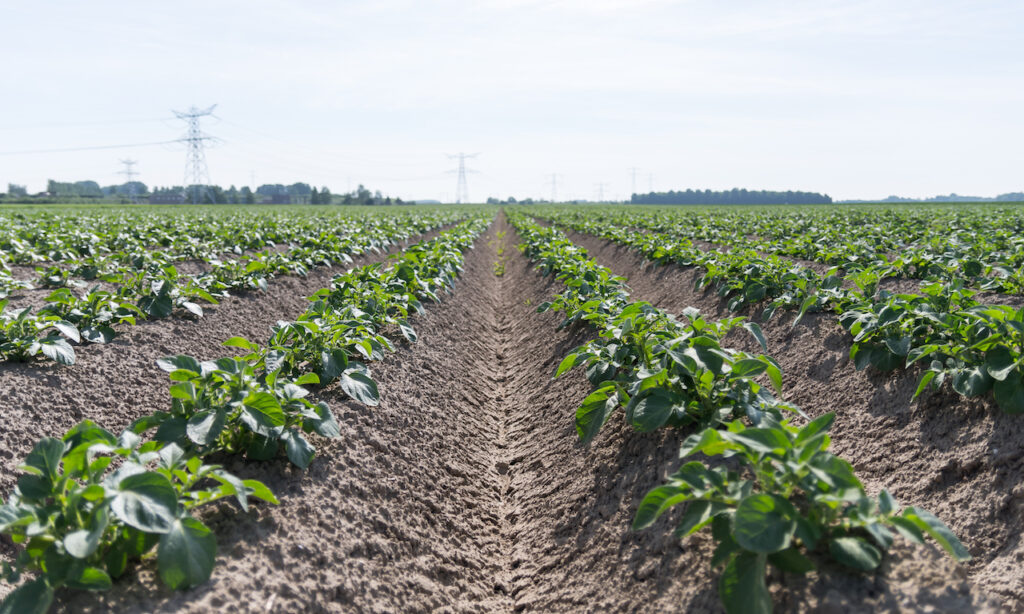
Seed potatoes are the foundation of potato farming, serving as the primary means of potato propagation. Unlike other crops, potatoes do not produce true seeds but rather grow from the tubers or seed potatoes. These seed potatoes are selected based on their disease resistance, yield potential, and ability to adapt to different climates. As such, they play a critical role in ensuring crop success and maintaining genetic diversity in potato varieties.
Climate Change and Its Impact on Seed Potato Production
1. Changing Temperature Patterns:
Climate change is causing shifts in temperature patterns, with rising temperatures being one of the most significant challenges for seed potato production. Potatoes are sensitive to extreme heat, and prolonged exposure to high temperatures can adversely affect their growth and development. Higher temperatures also increase the risk of heat stress, reducing tuber formation and quality.
2. Altered Precipitation Patterns:
Changes in precipitation patterns, such as irregular rainfall or prolonged droughts, pose a considerable threat to potato farming. Potatoes require a consistent and adequate water supply during their growing season. Insufficient water can lead to reduced yields, smaller tuber size, and an increased susceptibility to diseases and pests.
3. Increased Incidence of Pests and Diseases:
Climate change has been linked to the spread of pests and diseases that target potato crops. Warmer temperatures create favorable conditions for the proliferation of harmful organisms like potato cyst nematodes and late blight, the latter being infamous for causing the Irish potato famine in the 19th century. These pests and diseases can decimate entire potato fields, leading to devastating economic losses for farmers.
4. Shifting Growing Seasons:
Changing climate patterns can disrupt the traditional growing seasons for potatoes. Farmers may face challenges in deciding when to plant their crops due to unpredictable weather conditions, resulting in suboptimal yields and potential financial risks.
5. Loss of Biodiversity:
As certain potato varieties struggle to adapt to changing climate conditions, there is a risk of losing valuable genetic diversity within the crop. This loss can limit the ability to develop new potato varieties with improved resilience and adaptability to future climate challenges.
Mitigation and Adaptation Strategies
Addressing the impact of climate change on global seed potato production requires concerted efforts from governments, agricultural institutions, and individual farmers. Here are some strategies that can help mitigate the challenges:
1. Research and Development:
Investing in research to develop climate-resilient potato varieties can enhance their tolerance to heat, drought, and pests, ensuring sustainable potato production in the face of climate change.
2. Improved Water Management:
Implementing efficient irrigation systems and rainwater harvesting techniques can help farmers manage water resources effectively and minimize water-related risks.
3. Crop Rotation and Diversification:
Employing crop rotation practices can reduce pest and disease pressure on potato crops. Diversifying crops can also provide alternative income sources for farmers and reduce their dependence on a single crop.
4. Climate-Smart Farming Practices:
Promoting climate-smart agricultural practices, such as conservation tillage and agroforestry, can enhance soil health, conserve water, and reduce greenhouse gas emissions.
5. Farmer Education and Support:
Providing farmers with access to climate information, training, and financial support can empower them to adapt to changing conditions effectively.
Conclusion
Climate change poses an existential threat to global seed potato production, which, in turn, impacts food security for millions of people worldwide. Adapting to these challenges requires collaboration between governments, research institutions, and farmers to implement sustainable solutions that ensure a resilient potato farming industry. By addressing the issues at hand and supporting innovation, we can safeguard the future of potato farming and secure a stable food supply for generations to come.
