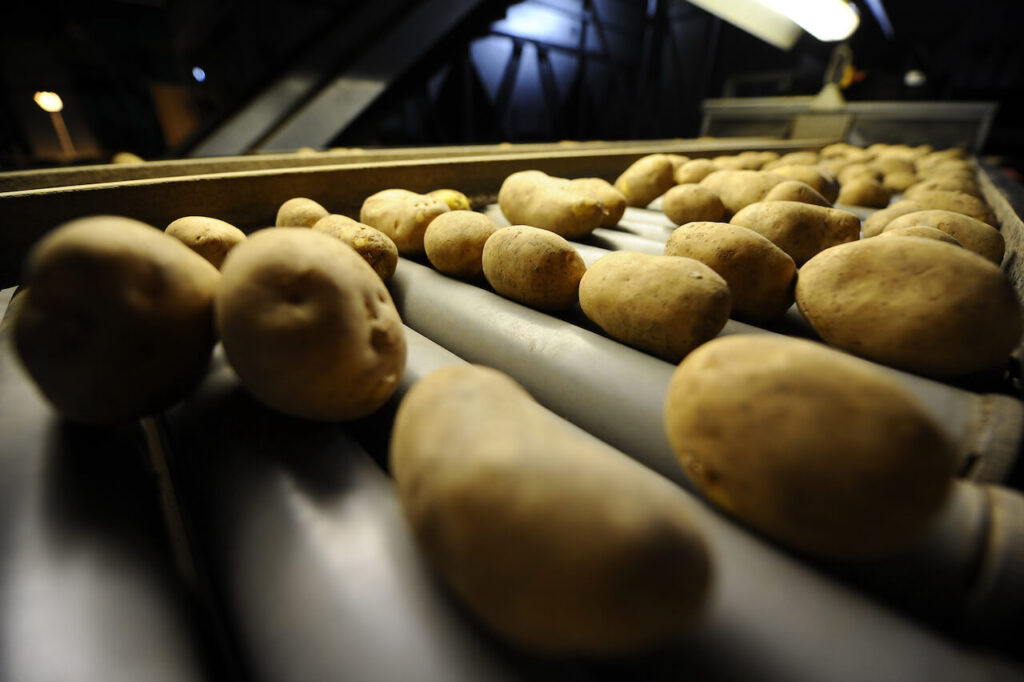
Potatoes are one of the world’s most versatile and widely consumed crops. But before they reach the dinner table, their journey begins with high-quality seed potatoes. For countries that rely on both domestic cultivation and export, seed potatoes form the backbone of a successful potato industry.
Exporting seed potatoes is a lucrative but complex process. It requires careful planning, compliance with international regulations, and attention to quality. In this guide, we’ll explore every step of the seed potato export process, providing practical insights for growers, exporters, and agricultural businesses looking to enter global markets.
1. Understanding Seed Potatoes
Seed potatoes are distinct from table potatoes. They are specifically grown for planting to produce the next crop of potatoes. Their quality directly affects:
- Yield: High-quality seeds produce more uniform, robust crops.
- Disease resistance: Disease-free seeds prevent costly losses.
- Exportability: Many countries only accept certified seed potatoes for import.
Key Qualities of Export-Grade Seed Potatoes
- Disease-Free: Certified by agricultural authorities.
- Uniform Size and Shape: Ensures ease of planting and predictable yields.
- Healthy Appearance: Free from physical damage or defects.
- Traceable: Origin and production history must be documented.
Tip: Maintaining strict quality standards helps build trust with international buyers and ensures repeat business.
2. Regulatory Compliance: Navigating International Standards
Before exporting, understanding regulatory frameworks is crucial. Each country enforces phytosanitary regulations to prevent the spread of pests and diseases.
Key Regulatory Considerations
- Phytosanitary Certification: Confirms that the seed potatoes are disease-free.
- Variety Approval: Some countries restrict certain varieties due to pest susceptibility.
- Documentation Requirements: Includes certificates of origin, import permits, and compliance with local standards.
Example: The EU requires EU-certified seed potatoes for imports, ensuring quality and disease control. Exporters must be aware of country-specific requirements in destinations like China, India, and African nations.
Compliance reduces the risk of shipment rejection, fines, or quarantine delays. Partnering with a knowledgeable customs broker or freight forwarder can simplify this process.
3. Sourcing High-Quality Seed Potatoes
Selecting the right seed potatoes is the foundation of a successful export venture.
Factors to Consider
- Variety Selection
- Match varieties to the target country’s climate and soil conditions.
- Some varieties are resistant to local pests and diseases, enhancing yield.
- Disease-Free Certification
- Only certified seed potatoes can be legally exported.
- Ensures compliance and reduces the risk of crop loss for buyers.
- Quality Assurance
- Inspect for size uniformity, absence of blemishes, and tuber integrity.
- Reject any potatoes that don’t meet international quality standards.
- Traceability Systems
- Maintain detailed records from farm to export.
- Enhances buyer confidence and facilitates recall management if needed.
Pro Tip: Establishing relationships with reputable seed potato suppliers ensures consistent quality and long-term partnerships.
4. Preparing Seed Potatoes for Export
Once seed potatoes are sourced, preparation is critical to maintain quality during transport.
Preparation Steps
- Grading and Sorting
- Separate tubers by size and quality to ensure planting uniformity.
- High-grade potatoes command premium prices.
- Packing
- Use protective materials to prevent physical damage.
- Ventilated packaging prevents moisture buildup, reducing spoilage risk.
- Phytosanitary Certification
- Obtain official certification from national agricultural authorities.
- Confirms compliance with import requirements of the destination country.
- Documentation
- Includes invoices, certificates of origin, and bills of lading.
- Accuracy is essential for smooth customs clearance.
5. Transportation and Logistics
Transporting seed potatoes requires careful planning to maintain quality.
Key Considerations
- Mode of Transport: Air, sea, or land depending on distance, cost, and speed.
- Customs Clearance: Work with experienced brokers to navigate tariffs and regulations.
- Temperature and Humidity Control: Seed potatoes are sensitive to heat and moisture.
- Handling During Transit: Minimize vibration and physical damage.
Example: Sea freight in temperature-controlled containers is commonly used for large international shipments, ensuring tubers remain disease-free and viable.
6. Market Entry: Distribution and Compliance
Upon arrival, exporters must comply with local regulations and establish distribution networks.
- Local Inspections: Some countries require additional quarantine or certification checks.
- Distribution Channels: Partner with local distributors or cooperatives for market access.
- Sales & Marketing: Provide buyers with consistent quality and timely delivery to maintain trust.
Tip: Understanding local consumer preferences can guide variety selection and packaging for better market acceptance.
7. Building Long-Term Relationships
Successful exporters focus on more than a single transaction.
Keys to Strong Relationships
- Consistency: Supply high-quality seed potatoes regularly.
- Reliability: Adhere to delivery schedules.
- Communication: Keep buyers informed about shipment status and regulatory compliance.
- Adaptation: Respond to changes in import regulations and market demands.
Pro Tip: Repeat customers often become long-term partners, reducing marketing costs and enhancing business stability.
8. Economic and Sustainability Considerations
Exporting seed potatoes also supports sustainable agriculture:
- Promotes the use of certified, disease-free seed, reducing pesticide use in recipient countries.
- Encourages best farming practices through traceable supply chains.
- Supports smallholder farmers by providing high-quality planting material that increases yield and profitability.
Fact: Countries importing certified seed potatoes report higher yields and reduced disease incidence, contributing to global food security.
✅ Conclusion
Exporting seed potatoes is a complex but rewarding venture. From sourcing disease-free seed and complying with international regulations to transporting potatoes safely and establishing long-term buyer relationships, every step is essential for success.
By following these guidelines, seed potato exporters can tap into global markets, improve agricultural sustainability, and contribute to food security worldwide.
🔗 Related: Seed Potatoes – Why Quality Matters
🔗 Find Global Seed Potato Exporters & Suppliers